Concept designers
Turn a short visual idea into a scene brief with motion, framing, atmosphere, and subject details.
A more structured starting point for testing a video concept.
ltx ai open sourceFocused video route
The ltx-2 ai video generator gives you a dedicated starting point for exploring LTX-2 video workflows, from a clear prompt to a reviewable visual result.
Capability split
Use this route when you want to focus on LTX-2 rather than browse a broad set of LTX AI entry points.
Turn a short visual idea into a scene brief with motion, framing, atmosphere, and subject details.
A more structured starting point for testing a video concept.
ltx ai open sourceShape a concise prompt for a short clip with a clear subject, setting, and action.
Less time spent translating a rough idea into production language.
ltx ai open sourceCompare prompt variations while keeping the intended scene and visual direction easy to inspect.
A repeatable way to evaluate early video experiments.
ltx ai open sourceStart with one dedicated LTX-2 workflow instead of navigating a general AI video surface.
A simpler path from first prompt to useful review notes.
ltx ai open sourceRelated routes
Simple workflow
Keep the first attempt narrow: describe one scene, inspect the result, then revise the instruction instead of changing everything at once.
Name the subject, action, setting, camera movement, and visual mood in one concise prompt.
Send the prompt through the dedicated route and treat the first result as a visual draft, not a finished production.
Change one variable at a time, such as motion, composition, lighting, or pacing, so you can see what improved.
Entry point comparison
The distinction is mainly about focus: this route narrows attention to LTX-2, while the general entry point is better for broader discovery.
Primary focus
LTX-2 route
LTX-2 video generation workflow
General LTX AI entry point
Broader LTX AI discovery
Best first question
LTX-2 route
How should this LTX-2 scene be described?
General LTX AI entry point
Which LTX AI path fits my goal?
Prompt style
LTX-2 route
Specific scene, motion, and visual direction
General LTX AI entry point
Open-ended exploration
Ideal user
LTX-2 route
Someone evaluating one video capability
General LTX AI entry point
Someone comparing available routes
Review process
LTX-2 route
Iterate around one model or workflow
General LTX AI entry point
Move between different topics or surfaces
Main advantage
LTX-2 route
A narrower path with less navigation
General LTX AI entry point
More context before choosing a direction
Prompt to review
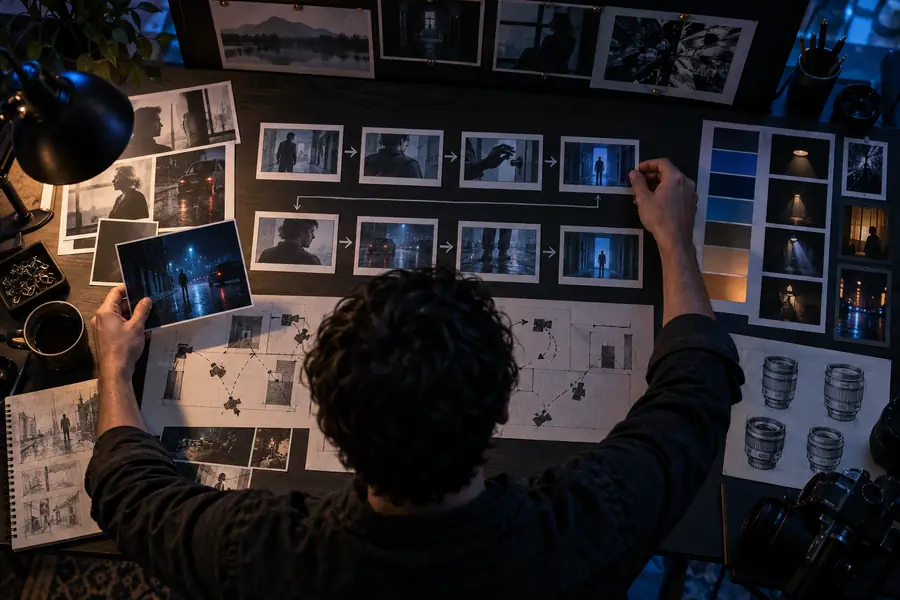 Scene prompt
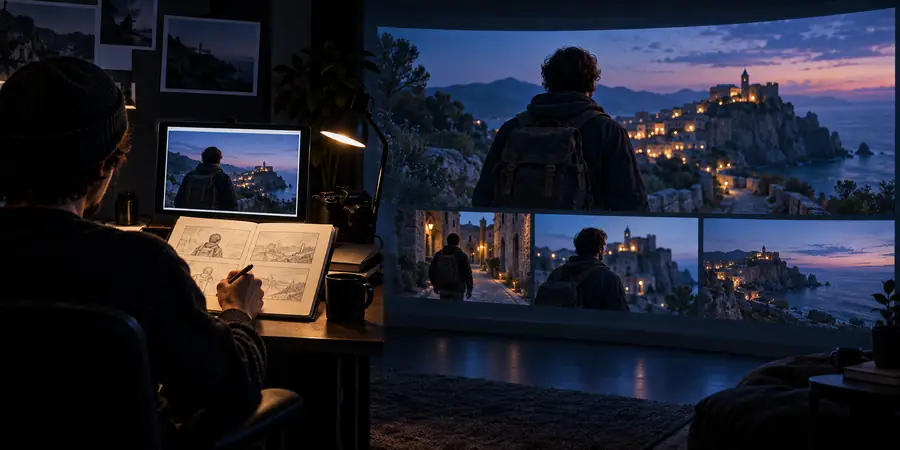 Visual direction
Honest boundaries
A dedicated LTX-2 route can make the workflow clearer, but it does not remove the creative and technical limits of generated video.
A detailed prompt still leaves room for variation in composition, motion, timing, and visual interpretation.
Workaround
Use short iterations and revise the single detail that matters most.
A generated clip is not the same as a finished sequence with continuity, sound, titles, and final colour decisions.
Workaround
Treat the output as a source clip or concept draft for your normal editing process.
If duration, framing, subject behaviour, or tone matters, leaving it implicit can produce an unsuitable direction.
Workaround
State the practical constraints directly in the prompt.
The route helps express and test an idea, but the final selection remains a human decision.
Workaround
Define a review checklist before comparing generations.
Route at a glance
Common questions
Answers for people comparing the LTX-2 route with a broader LTX AI starting point.
It is a focused entry point for exploring video ideas with LTX-2. The route is designed to keep attention on scene prompts, visual direction, and review rather than broader platform discovery.
The LTX-2 route narrows the task to one video-generation workflow. The general entry point is more suitable when you are still deciding which LTX AI capability or topic to explore.
Start with the subject, its action, the setting, and the visual direction. Adding camera movement, lighting, framing, or mood can make the intended scene easier to evaluate.
Yes, if you begin with one simple scene and treat the first output as a draft. Short prompts with clear subjects and actions are easier to revise than complex multi-scene instructions.
It should be treated as a way to generate or explore video directions, not as a replacement for editing and production decisions. Continuity, sound, titles, pacing, and final review may still require separate work.